Core Assembly Mechanics
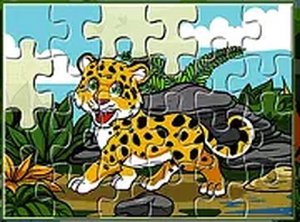
Players begin by selecting an image from a collection of big cat photographs. The chosen picture is then divided into a set of interlocking pieces that appear scattered across the playing area. Using a mouse or touch input, each piece can be dragged and positioned onto a grid. When a piece is placed correctly, it snaps into place, gradually reconstructing the original scene. The grid size can be adjusted before starting, allowing players to choose between fewer, larger pieces or many smaller ones.
Visual Presentation & Atmosphere
The game features high-resolution photographs of large felines in various natural settings. Images include lions resting on savanna grasslands, tigers moving through dense forests, and leopards perched on rocky outcrops. The clean interface keeps the focus on the puzzle itself, with minimal on-screen distractions. A subtle background color helps pieces stand out clearly, reducing eye strain during longer sessions.
Difficulty Customization Options
Before each puzzle, players can select from several piece counts. Lower piece counts are ideal for quick sessions or those new to jigsaw puzzles, while higher counts provide a more extended challenge for experienced solvers. The game does not impose any time constraints, so each puzzle can be completed at a comfortable pace. This flexibility makes the experience suitable for both short breaks and longer periods of focused activity.
Assistance & Accessibility Features
For moments when progress stalls, a built-in hint system can highlight the next piece that fits. This feature helps maintain momentum without removing the satisfaction of solving the puzzle independently. The game also supports full-screen mode, which enlarges the workspace and minimizes external distractions. These tools ensure that players of all skill levels can enjoy the activity without frustration.
Practical Strategies for Completion
Many players find it helpful to first locate and assemble the border pieces, as their straight edges define the puzzle's perimeter. After the frame is complete, sorting remaining pieces by dominant colors or patterns can speed up the process. Taking short breaks is encouraged, as returning with fresh eyes often reveals connections that were previously missed. Starting with simpler puzzles and gradually increasing piece count is a common approach to building proficiency.