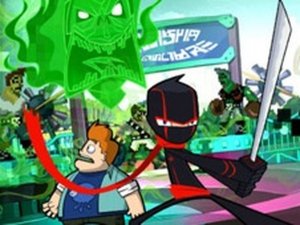
Urban Combat Mechanics
Players control a guardian character through a series of street-based encounters. The control scheme relies on simple taps for basic attacks and swipes for more powerful maneuvers. A defensive stance lets players absorb incoming hits, while a special energy bar builds up when avoiding damage. Once full, this resource can activate a temporary boost that clears nearby opponents. Each wave of enemies introduces new patterns, requiring players to adapt their timing and positioning.
Enemy Variety & Difficulty Curve
The game presents a steady increase in challenge as players progress. Early opponents move predictably, allowing newcomers to learn the basics. Later waves feature faster adversaries with varied attack styles, forcing players to combine movement and offense. Some enemies may require multiple hits to subdue, while others can only be approached from certain angles. This design keeps the action fresh without overwhelming the player.
Score & Collection System
Defeated opponents leave behind tokens and special items that add to the player's total score. These collectibles appear after each successful encounter and encourage players to stay active rather than hiding. The scoring system rewards both speed and precision, as taking damage reduces potential earnings. Special golden items offer larger point bonuses and may appear after defeating tougher foes. This system adds a light strategic layer to the fast-paced gameplay.
Visual & Audio Presentation
The game adopts a bright, cartoon-like art style that suits its family-friendly tone. Characters and environments use bold colors and simple shapes, making them easy to distinguish during hectic moments. The sound design includes upbeat background music that matches the action's tempo, along with clear audio cues for attacks and special moves. This combination creates an accessible atmosphere that appeals to younger players while remaining engaging for adults.
Skill Development Focus
Beyond entertainment, the game serves as a tool for improving hand-eye coordination and reaction times. Each encounter demands quick decisions about when to attack, block, or reposition. The progressive difficulty ensures that players gradually build these skills without frustration. Regular practice can lead to noticeable improvements in timing and spatial awareness, making the experience both fun and beneficial.