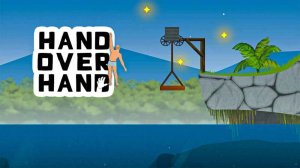
Drag-and-Climb Controls
Your character moves by dragging with a mouse or finger. There are no complex button combos—just direct, physical manipulation of a ragdoll body. That simplicity makes the game immediately playable, but the ragdoll behavior means each drag produces slightly unpredictable results. You are not steering a rigid avatar; you are pulling a floppy figure upward, and that distinction shapes every moment of play.
Stars, Flags, and Shop Unlocks
Every level ends at a red flag. Between the start and that flag, shiny stars are scattered along the climbing route. Collecting them earns currency for an in-game shop that offers customization items. This creates a light risk-reward layer: the fastest path to the flag may skip stars, while a thorough climb takes longer and demands more careful maneuvering. The shop gives star collection a purpose beyond score.
Obstacles That Demand Timing
Each level introduces new obstacles, and the challenge comes from reading their timing before you commit to a drag. Because the ragdoll physics add unpredictability, you cannot rely on muscle memory alone—you have to adjust mid-climb. The game encourages planning your path and then reacting when the physics throw a small surprise your way. That combination keeps later levels from feeling like repeats of earlier ones.
Built for Short, Relaxed Sessions
Hand Over Hand Climbing Adventure is structured around quick play. Levels are short enough to finish in a few minutes, and there is no penalty that makes failure feel punishing. The ragdoll movements often produce humorous results, which softens frustration when a climb goes wrong. It suits players who want a casual arcade challenge without a long commitment, and the family-friendly presentation keeps the tone light throughout.







Editorial Notes