Daily Operations and Order Flow
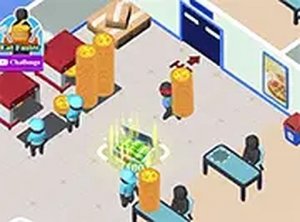
Players start by receiving customer requests at the counter. Each order specifies a unique combination of toppings and crust preferences. The process involves selecting the correct ingredients, assembling the pizza, and baking it to the ideal doneness. Serving the finished item quickly earns higher satisfaction scores and better tips. As the day progresses, the volume of orders increases, requiring players to prioritize tasks and maintain a steady workflow.
Upgrades and Expansion Decisions
Revenue from completed orders can be reinvested into the business. Kitchen upgrades, such as faster ovens and improved prep stations, reduce cooking times and enhance food quality. Players may also choose to renovate the dining area to attract more customers. When a location becomes profitable, opening a second branch becomes a viable option. Each new site brings its own set of challenges, including managing multiple kitchens and staff schedules.
Staff Management and Delegation
As the workload grows, hiring assistants becomes essential. Staff members can handle routine tasks like taking orders, cleaning tables, or preparing simple pizzas. Assigning roles effectively allows the player to focus on complex orders and strategic planning. Training employees improves their efficiency, which directly impacts overall service speed and customer retention.
Customer Variety and Satisfaction
Different customer types may appear, each with specific preferences. Some prioritize speed, while others value ingredient accuracy or presentation. Meeting these expectations consistently builds a loyal customer base and increases daily earnings. The game may introduce special events or seasonal menu items that require quick adaptation, keeping the experience fresh and engaging.